
Traveling opens up a world of possibilities, but when it comes to packing for your adventures, the age-old question remains: is it better to travel with a backpack or a suitcase? Both options have their merits, and choosing the right one largely depends on your individual needs and travel style. In this article, we will explore the pros and cons of each, consider important factors to help you make an informed decision, provide tips for efficient packing, and discuss how personal preferences can influence your choice.

Different Types of Backpacks and Suitcases
Backpacks:
- Size and Capacity
- Weight and Portability
- Durability and Material
- Features and Organizational Compartments
Suitcases:
- Carry-On Suitcases
- Checked-In Suitcases
- Hardside vs. Softside Suitcases
- Spinner vs. Two-Wheeled Suitcases
Matching Luggage to Your Type of Travel
1. Backpacking Adventures:
- Lightweight and Versatile Backpacks
- Considerations for Extended Trips
- Backpacks Designed for Hiking and Camping
2. Business Travel:
- Professional and Functional Briefcases
- Laptop and Tech-Friendly Features
- Carry-On Suitcases for Efficiency
3. Family Vacations:
- Spacious and Organized Suitcases
- Considerations for Traveling with Kids
- Luggage Sets for Family Convenience
Tailoring Luggage to Your Travel Destination
1. Tropical Getaways:
- Lightweight and Water-Resistant Suitcases
- Ventilated Backpacks for Hot Climates
- Considerations for Beach and Water Activities
2. Snowy Adventures:
- Insulated and Weatherproof Suitcases
- Backpacks Designed for Winter Sports
- Considerations for Cold Weather Gear
3. Urban Explorations:
- Stylish and Secure Backpacks
- Anti-Theft Features for City Travel
- Compact and Maneuverable Suitcases
Pros and Cons of Traveling with a Backpack
1. Flexibility and Mobility
One of the major advantages of traveling with a backpack is the flexibility and mobility it offers. With a backpack strapped securely to your back, you can easily navigate crowded places. Whether boarding a train, exploring narrow streets, or hiking up a mountain, a backpack allows you to move freely without the hindrance of wheels.
2. Hands-Free Convenience
Carrying your belongings on your back provides a hands-free experience, allowing you to maneuver through various situations easily. Having both hands available is particularly useful when you need to show tickets or travel documents, take photographs, or grab a quick bite to eat.
A backpack is advantageous in crowded places such as bustling markets or busy airports. Its compact form allows you to navigate tight spaces without knocking into people or objects. You won’t have to worry about bumping into others or causing inconveniences in crowded environments.
4. Limited Storage Capacity
However, one of the drawbacks of a backpack is its limited storage capacity. Compared to suitcases, backpacks generally offer less space to pack your belongings. This can be challenging, especially if you are planning a long trip or need to carry bulkier items such as formal attire or specialized equipment.
5. Organizational Challenges
Another aspect to consider is the organizational aspect of backpacks. While some backpacks come with multiple compartments and pockets, keeping your belongings well-organized can be more challenging than with a suitcase. Retrieving specific items from a backpack can become time-consuming if everything is jumbled together.
Pros and Cons of Traveling with a Suitcase
1. Ample Storage Space
Suitcases are known for their ample storage space, making them a great choice for travelers needing to pack more items. You can easily organize your clothes, shoes, toiletries, and other essentials with multiple compartments and pockets. This is especially beneficial if you plan a longer trip or need to bring specific gear for your activities.
2. Better Organization of Belongings
The structured nature of a suitcase allows for better organization of belongings. With separate compartments and the ability to pack clothes neatly, finding and accessing specific items is easier without rummaging through everything. This can save you time and frustration during your travels.
3. Protection of Fragile Items
A suitcase can provide better protection if traveling with delicate or fragile items. Hard-shell suitcases offer added security for items prone to breakage, such as electronics, glassware, or souvenirs. The sturdy exterior can help prevent damage caused by rough handling or external pressure.
4. Bulkiness and Weight
One of the downsides of suitcases is their bulkiness and weight. Dragging a heavy suitcase can be tiring, especially when navigating uneven surfaces or stairs. Maneuvering through crowded places may also be more challenging with a suitcase, as you’ll need to rely on wheels rather than the flexibility of a backpack.
5. Inconvenience on Uneven Surfaces
While suitcases excel on smooth surfaces, they can be inconvenient on uneven terrain. Cobblestone streets, gravel paths, or unpaved roads can make it difficult to roll a suitcase smoothly. A backpack allows for easier mobility and adaptability to different surfaces in such situations.
Factors to Consider When Choosing Between a Backpack and a Suitcase
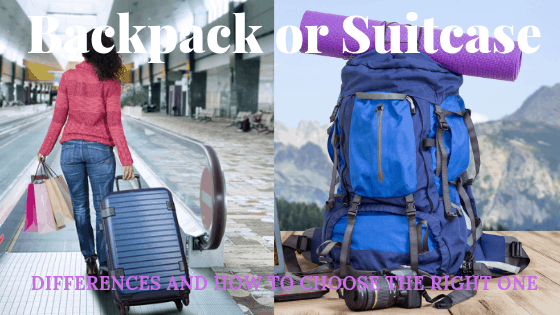
When deciding whether Is it better to travel with a backpack or suitcase, several factors come into play. Consider the following:
1. Travel Duration and Destination
The length of your trip and the destination play a significant role in determining the type of luggage to choose. A backpack might suffice for short trips or weekend getaways, offering enough space for essentials without excessive packing. However, a suitcase may be more suitable if you’re embarking on a long journey or need to pack for various climates.
2. Mode of Transportation
Consider how you’ll be traveling during your trip. If you primarily rely on public transportation, a backpack can be more convenient, allowing you to navigate crowded buses, trains, and airports more easily. On the other hand, if you’re planning to rent a car or use private transportation, a suitcase may be more manageable.
3. Physical Capabilities and Health Conditions
Take into account your physical capabilities and any existing health conditions. If you have back or shoulder problems or struggle with heavy loads, a wheel suitcase may be a better option. Alternatively, if you’re fit and prefer the flexibility of a backpack, it can provide a more comfortable and ergonomic solution.
4. Type of Travel Activities
Consider the activities you’ll be engaging in during your trip. If you plan on hiking, trekking, or exploring nature, a backpack is essential for carrying your gear comfortably. However, a suitcase can help keep your clothes wrinkle-free and organized if your activities involve formal events or business meetings.
Tips for Packing Efficiently
Whether you choose a backpack or a suitcase, packing efficiently is key to a successful trip. Consider the following tips:
1. Essential Items to Pack
Make a list of essential items you’ll need during your trip. Pack versatile clothing pieces that can be mixed and matched, and prioritize items based on their importance and frequency of use. This ensures you have everything you need without overpacking.
2. Utilizing Packing Cubes or Compression Bags
Consider using packing cubes or compression bags to maximize space and keep your belongings organized. These handy accessories help compress clothing and other items, allowing you to fit more into your luggage while keeping things tidy and easy to find.
3. Rolling vs. Folding Clothes
Experiment with different packing techniques to find what works best for you. Rolling clothes can save space and minimize wrinkles, while folding clothes neatly can make them easier to access. A combination of both methods can be beneficial for different types of clothing items.
4. Distributing Weight Evenly
To ensure comfortable carrying or rolling, distribute the weight of your belongings evenly. Place heavier items closer to the wheels or the bottom of your backpack to maintain balance and stability. This prevents strain on your back or shoulders and makes it easier to maneuver your luggage.
Personal Preferences and Travel Style
In addition to practical considerations, personal preferences and travel style can influence your choice between a backpack and a suitcase.
1. Fashion-Conscious Travelers
A suitcase may be more suitable if you prioritize fashion and want to maintain a polished appearance throughout your trip. It allows for better clothes organization and minimizes the chances of wrinkles or creases.
2. Tech-savvy travelers
For travelers who carry a lot of technology and gadgets, such as laptops, cameras, or drones, a backpack with dedicated compartments and padding for electronics can provide added protection. It allows for easy access to your devices and keeps them secure during your journey.
3. Adventure and Outdoor Enthusiasts
A backpack is a must-have if you’re an adventure seeker or plan on engaging in outdoor activities like hiking or camping. It offers the mobility and hands-free convenience necessary for such pursuits while also accommodating specialized gear and equipment.
4. Business Travelers
Business travelers often require formal attire and need to maintain a professional appearance. A suitcase provides a more organized, wrinkle-free solution for carrying suits, dresses, and other business essentials.
Conclusion
There is no definitive answer when deciding between a backpack and a suitcase for your travels. Both options have advantages and disadvantages, and the choice ultimately depends on your needs, preferences, and travel circumstances. Consider factors such as mobility, storage capacity, packing efficiency, destination, and personal style to make an informed decision. Remember, there’s no right or wrong choice—Is it better to travel with a backpack or suitcase you have the best choice, and it enhances your travel experience.
FAQs – Is it better to travel with a backpack or suitcase?
1. Can I use a backpack as a carry-on luggage?
Yes, most backpacks are suitable as carry-on luggage. However, checking the specific size and weight restrictions of the airline you’ll be traveling with is always recommended.
2. Are there any security concerns with using a backpack?
While backpacks are generally safe, remaining vigilant and taking necessary precautions is essential. Keep your belongings secure and be cautious in crowded areas to prevent theft or pickpocketing.
3. How do I choose the right size of the suitcase?
Consider the duration of your trip, the type of items you’ll be packing, and the size limitations imposed by airlines. Opt for a suitcase that meets your needs without exceeding the weight and size restrictions.
4. Is traveling with a backpack or suitcase or together better?
Absolutely! Many travelers opt for a backpack and a small suitcase for their journeys. This allows for better organization, versatility, and carrying additional items.
5. Are there any alternatives to traditional backpacks and suitcases?
There are alternatives such as duffel bags, wheeled backpacks, or hybrid luggage options. These provide different features and cater to specific travel preferences. Consider your needs and explore the options available to find the right fit for you.

Ameer Hamza is a dedicated fashion writer with a keen eye for emerging trends and a passion for the artistry of style. His work delves into the latest in fashion, offering readers insights on everything from runway-inspired looks to everyday elegance. With a flair for storytelling and a deep understanding of the industry, Ameer Hamza brings a fresh perspective, making high fashion accessible and inspiring to all. Follow along as he explores the intersection of creativity, culture, and couture in the ever-evolving world of fashion.
